
Signs that need attention
Look for leaning posts, displaced blocks, bulging faces, open joints, washout and water collecting behind the wall. Record changes over time where it is safe to do so.
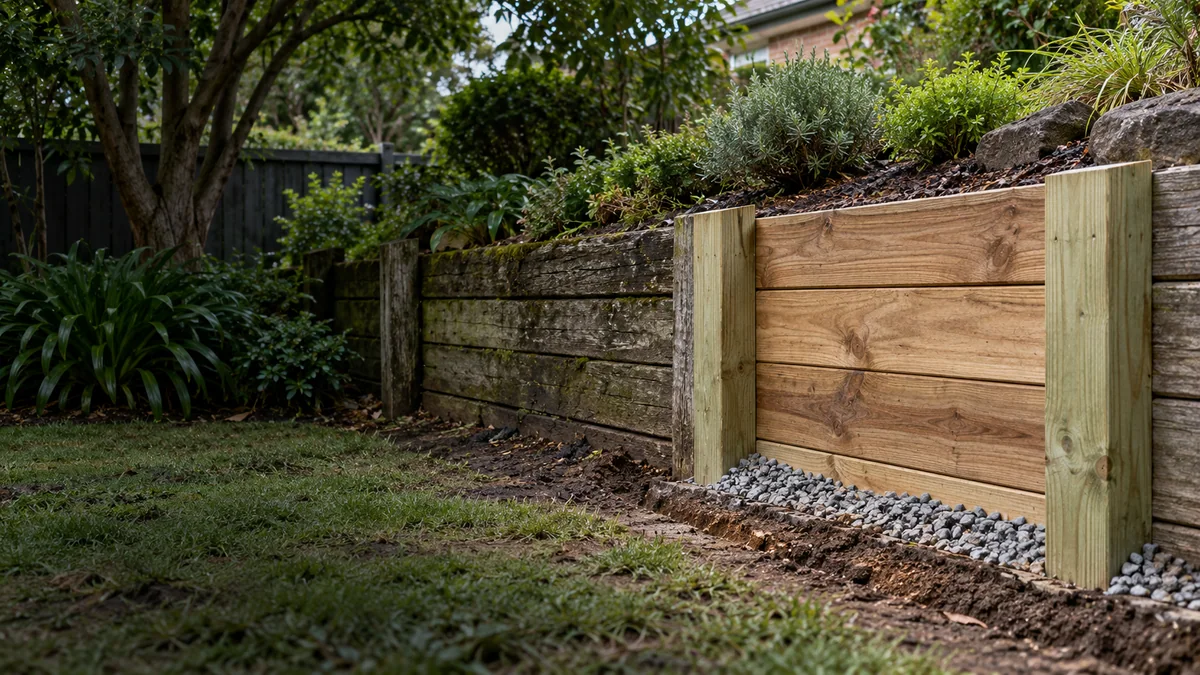
Retaining wall repair in Melbourne: assess leaning, cracking and drainage problems, compare repair with replacement, and prepare an enquiry.
Melbourne Retaining Wall Repair projects benefit from a clear understanding of the site, the intended finish and how the work connects with the rest of the property.
Retaining wall repair starts with understanding why the wall changed. A careful inspection helps separate surface damage from movement caused by ground, water or support conditions.
A useful plan identifies where water is coming from, how it will be collected and where it can discharge. Pipe routes, excavation depth, access, surface reinstatement and future maintenance should all be considered before installation begins. For this service, signs that need attention and repair or replacement are useful matters to discuss when preparing the scope.
Share your property address, approximate dimensions and photos of the work area. Include the route from the street, any nearby structures and what you want the finished space to achieve.
Explore the details ↓A clear brief connects the material, the site and the final result.
Look for leaning posts, displaced blocks, bulging faces, open joints, washout and water collecting behind the wall. Record changes over time where it is safe to do so.
Some walls can be stabilised or locally rebuilt. Others need removal and a new system. The condition, access and retained levels guide the practical choice.

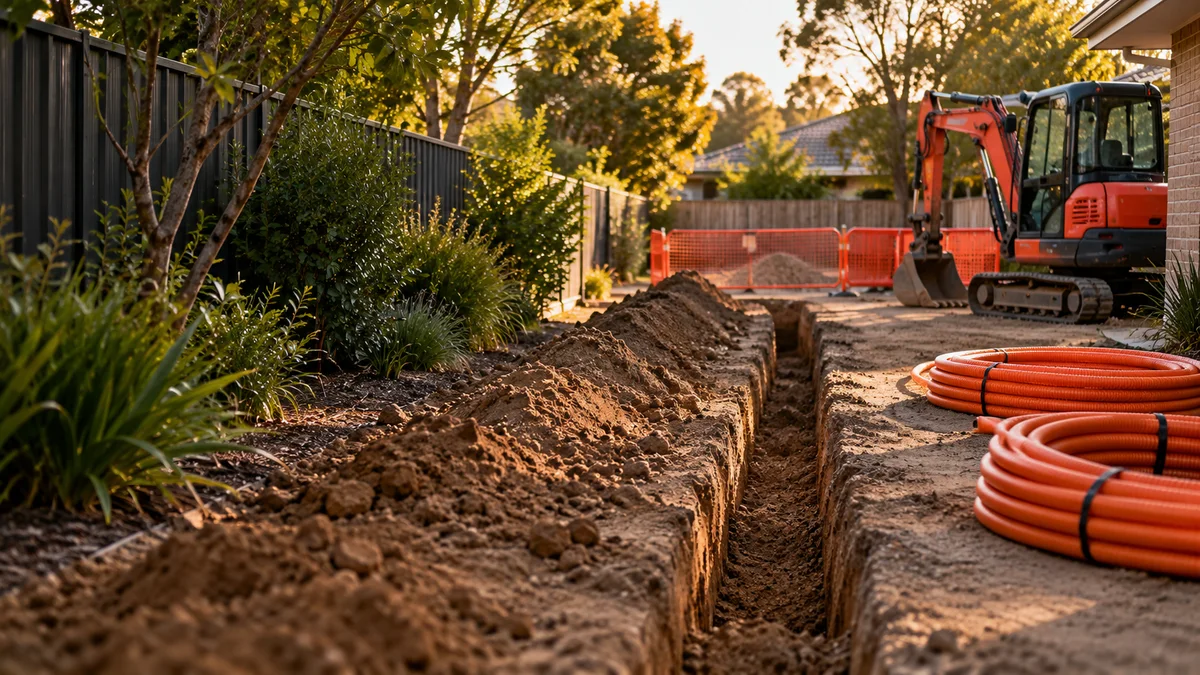
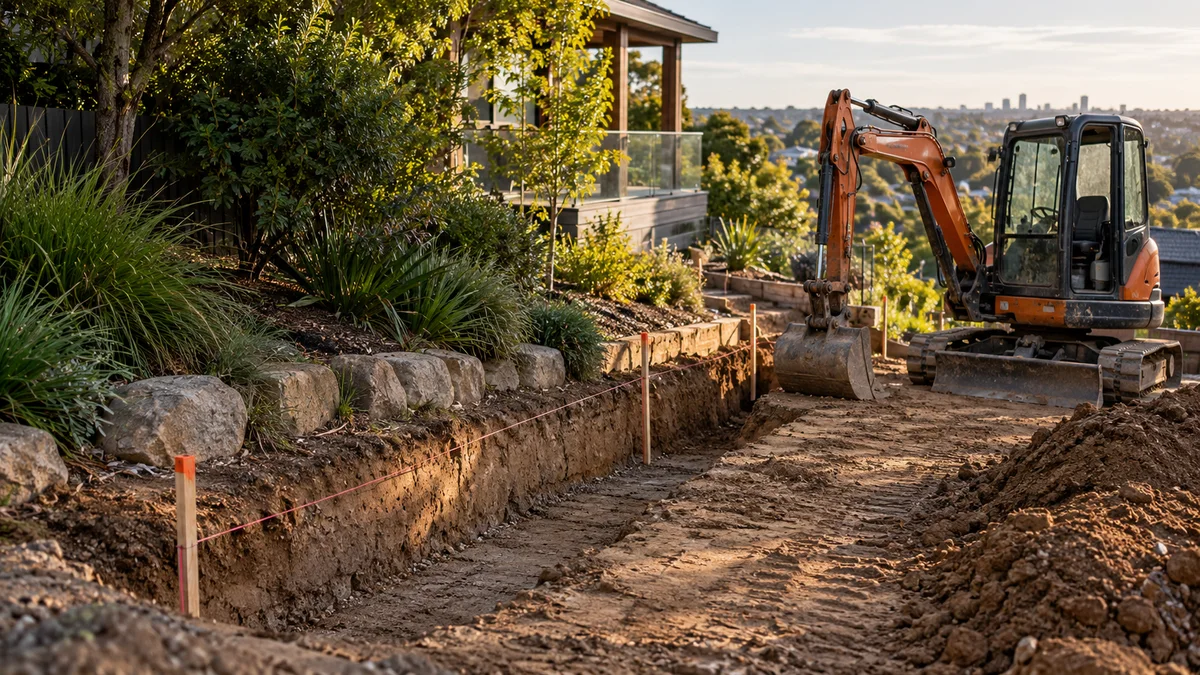
Supporting landscape and groundwork illustrations show connected project considerations, not completed work by Melbourne Retaining Walls.
Movement at the wall face can have several causes. Recording where and when it appears helps separate local damage from a wider site issue.
Leaning, bulging or opening joints show where the wall has changed shape and how far the issue extends.
Persistent dampness, staining or washed-out soil may point to drainage or surface-water problems.
Decay, corrosion, cracking and loose units help determine whether components can remain or need replacement.
Every property has different constraints. Use these steps to prepare a useful discussion about retaining wall repair.
Send the address, measurements and access photos, plus any existing drawings or reports.
Discuss the options above, any design input, drainage connections and the responsibilities for approvals.
Check preparation, materials, installation, disposal and reinstatement. Agree exclusions and timing before work is scheduled.
Clear photos and measurements make the first review more useful and help identify where specialist advice may be required.
Start planning with the details that matter.
Ask about your project ↗That cannot be established from a photograph alone. The cause of movement, foundations and retained ground determine whether a repair is feasible.
Drainage may be part of the remedy, but it does not automatically restore a damaged structure. Assess both the water problem and the remaining wall.
Do not disturb it without an assessed work sequence. Excavation can change how the existing structure and ground are supported.
Where both are feasible, ask for separately defined scopes, exclusions and remaining uncertainties so the options can be compared fairly.
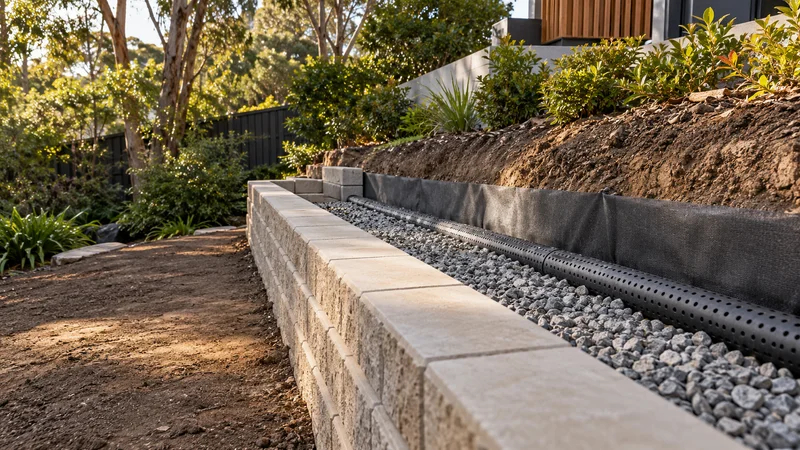
Retaining wall drainage in Melbourne: water sources, drainage layers, collection pipes, outlets, inspection access and quote preparation.
Learn more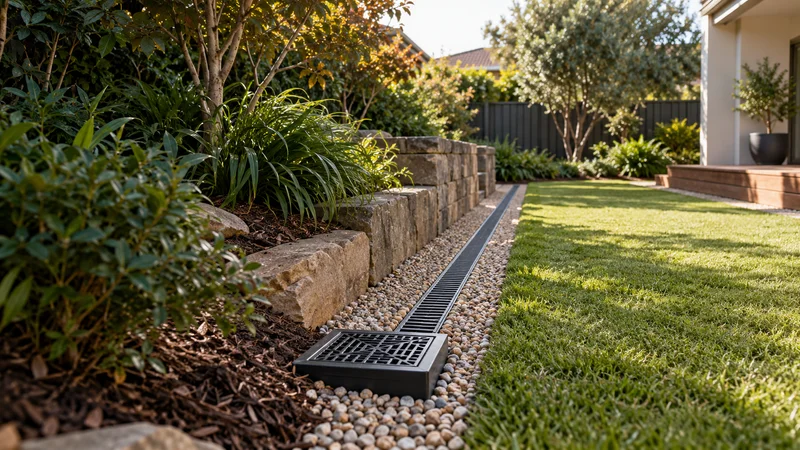
Investigate persistent wet areas and surface flow, then compare drainage and grading options suited to the way your property actually behaves.
Learn more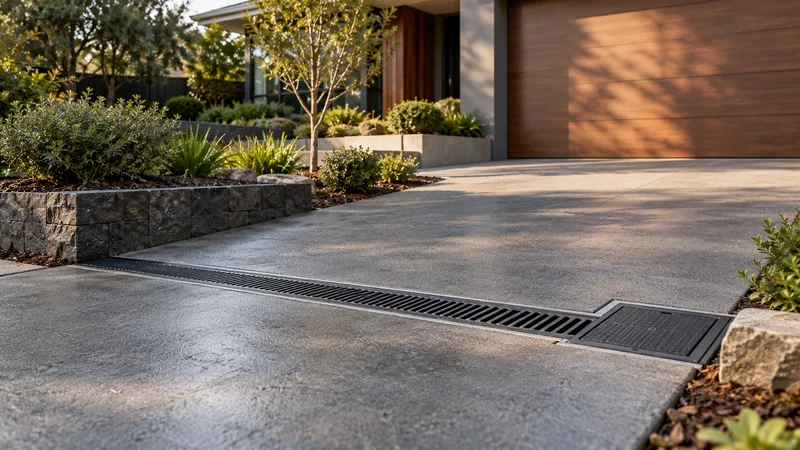
Consider pits, channels and pipework as a connected system, with surface levels, lawful discharge and the relevant qualified trades identified early.
Learn moreShare your ideas, your site and what you want to achieve.