
Plan the usable space
Measure furniture and circulation space before deciding the footprint. Door thresholds, steps and surrounding garden levels influence the layout.
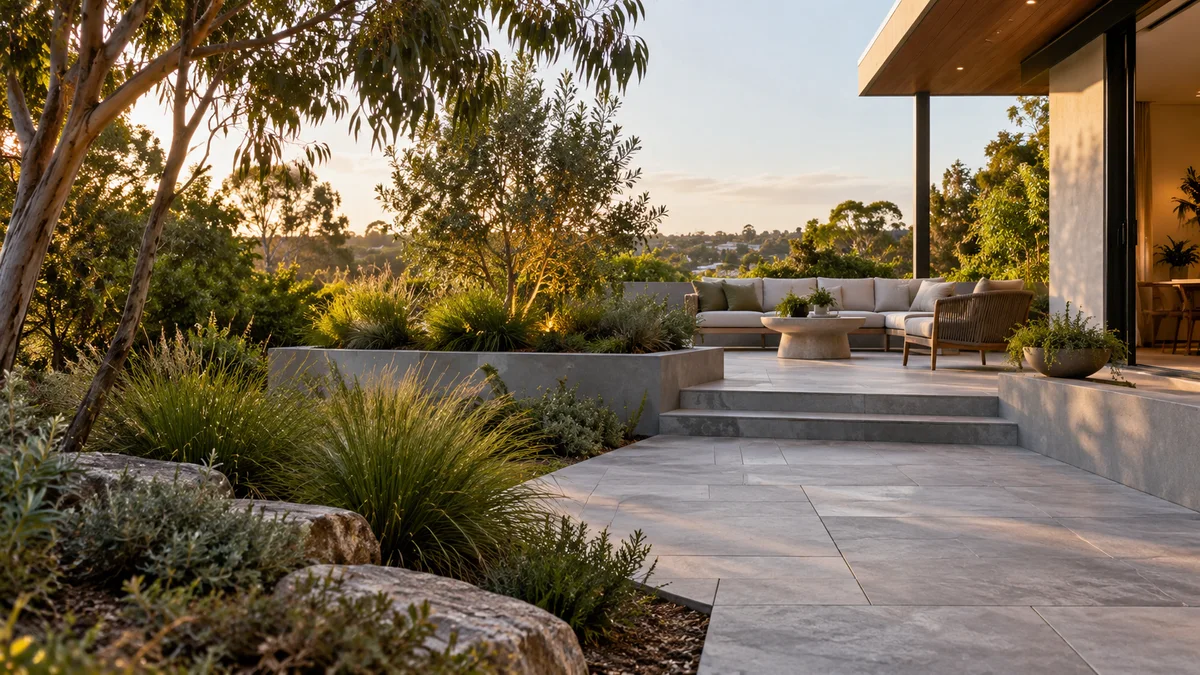
Shape an outdoor living area with coordinated levels, paving and edges, considering furniture, shade, drainage and the connection back to the home.
Melbourne Patios & Hardscaping projects benefit from a clear understanding of the site, the intended finish and how the work connects with the rest of the property.
A useful patio starts with everyday activities: eating outside, moving through the garden and finding somewhere comfortable to sit. Hard surfaces should support those activities without overwhelming the planting.
Preparation, drainage falls, edge details, material finishes and the way new work meets existing surfaces all influence the result. Consider access during construction as well as cleaning and ongoing care after completion. For this service, plan the usable space and connect the materials are useful matters to discuss when preparing the scope.
Share your property address, approximate dimensions and photos of the work area. Include the route from the street, any nearby structures and what you want the finished space to achieve.
Explore the details ↓The most comfortable patios are planned like a room in the house: with a clear purpose, a sense of enclosure and a natural way in and out.
Start by listing what will actually happen there. A dining table, a lounge setting, a barbecue and a spot for pots each need their own zone, plus room to move between them without squeezing past chairs. If the patio must also act as a thoroughfare to the garden or side gate, keep that route clear of the furniture.
Enclosure makes a space feel settled. A low wall, a planted edge, a screen or the house itself can give a patio a back to sit against. Think about views out and views in, including from neighbouring windows, and how the space will look from inside the house when no one is using it.
A clear brief connects the material, the site and the final result.
Measure furniture and circulation space before deciding the footprint. Door thresholds, steps and surrounding garden levels influence the layout.
Paving, retaining edges and adjoining paths should work as a palette. Review samples outdoors and consider how the finish will age and be maintained.
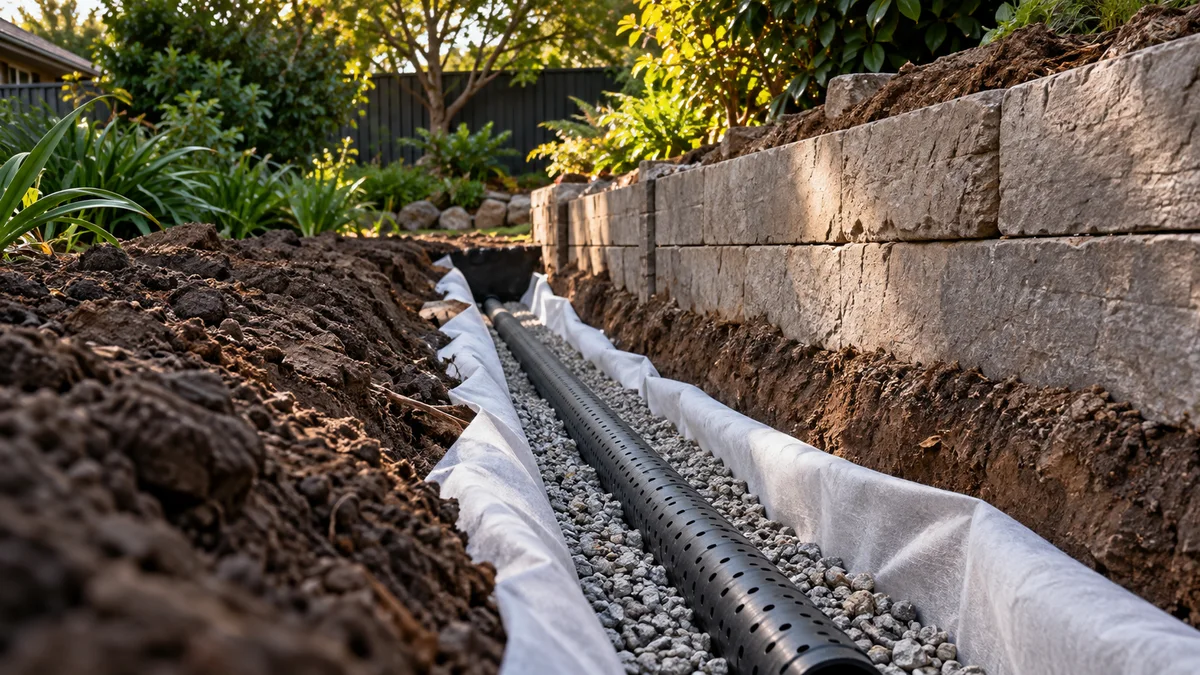
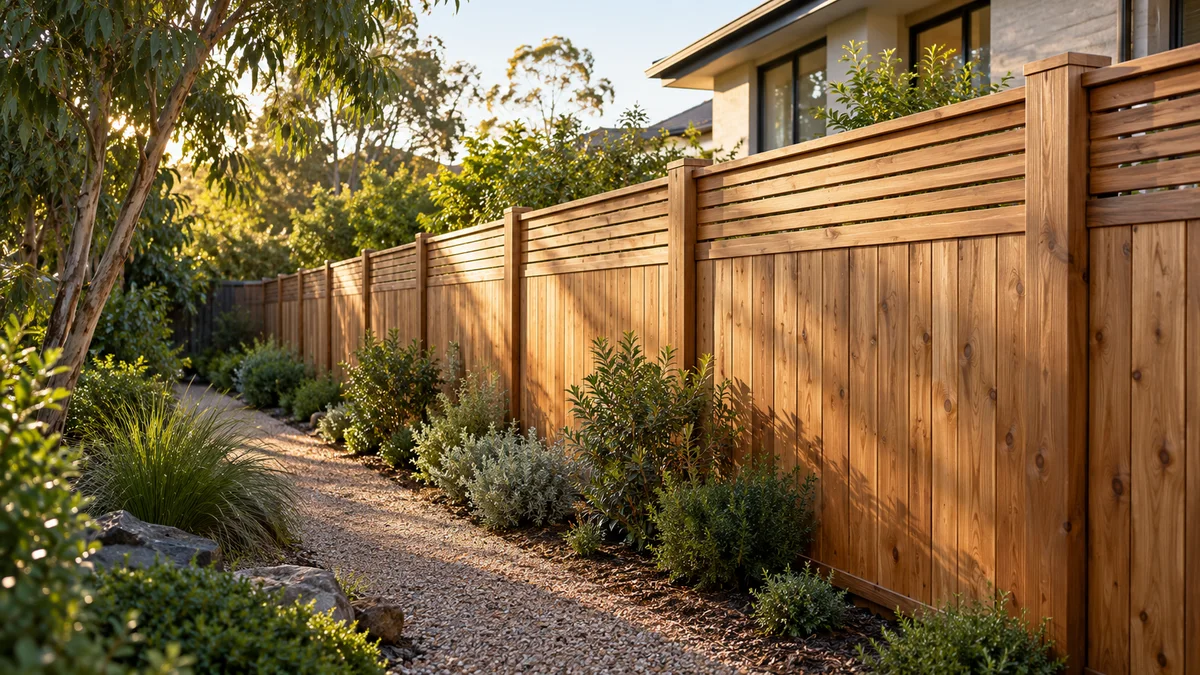
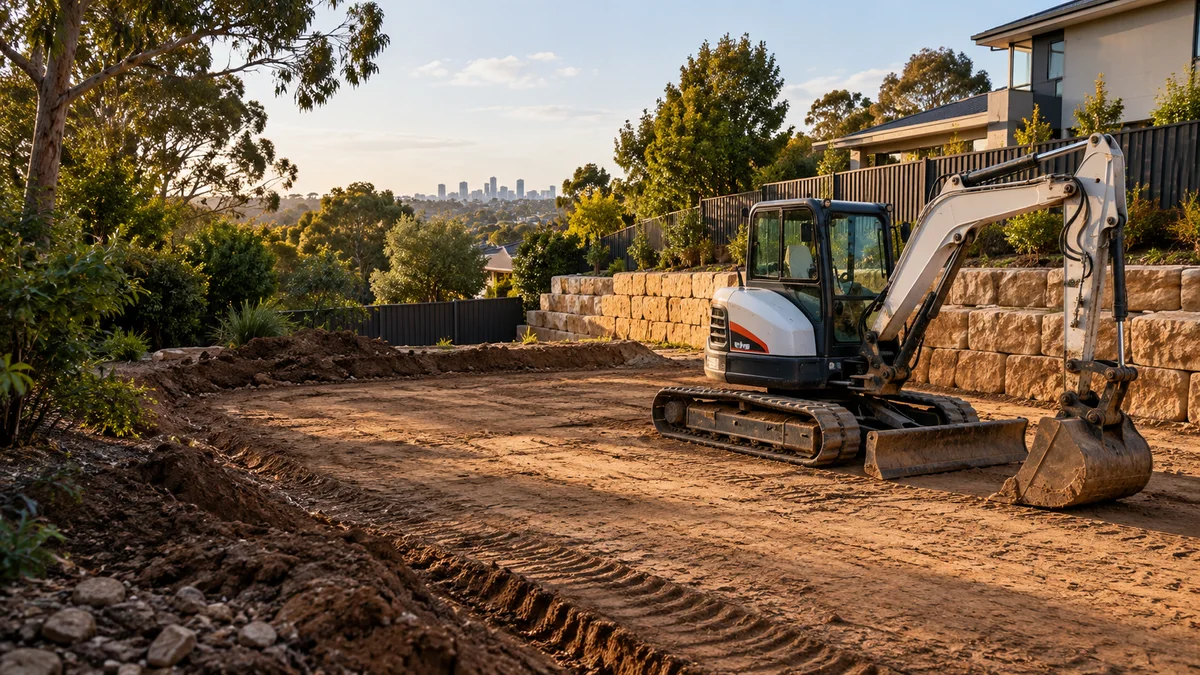
Supporting landscape and groundwork illustrations show connected project considerations, not completed work by Melbourne Retaining Walls.
A patio surface is seen up close and felt underfoot, often barefoot. Look at samples in the actual location, in both sun and shade, before choosing.
Rich, varied colour and texture that suits established gardens and pairs well with stone walls or edging.
Some stones stain or absorb spills and may need sealing. Surface temperature in full sun varies with the stone and its colour.
A clean, consistent look that can continue an indoor floor out to the garden. Resistant to staining.
Choose a slip rating suited to outdoor use. Laying on a slab or pedestals needs attention to falls and drainage beneath.
A wide range of sizes and colours at a modest level of detail, with units that can be lifted if needed.
Colour may fade with sun exposure. Joints need sand or grout maintenance, and the base must be well prepared to avoid movement.
A seamless surface that links neatly with a matching driveway or path and handles heavy furniture.
Large plain areas can feel stark without planting or a border. Cracks and repairs tend to remain visible.
A warm, slightly raised platform, useful where the ground falls away from the house.
Needs a substructure, ventilation and ongoing maintenance that varies by material.
Every property has different constraints. Use these steps to prepare a useful discussion about patios & hardscaping.
Send the address, measurements and access photos, plus any existing drawings or reports.
Discuss the options above, any design input, drainage connections and the responsibilities for approvals.
Check preparation, materials, installation, disposal and reinstatement. Agree exclusions and timing before work is scheduled.
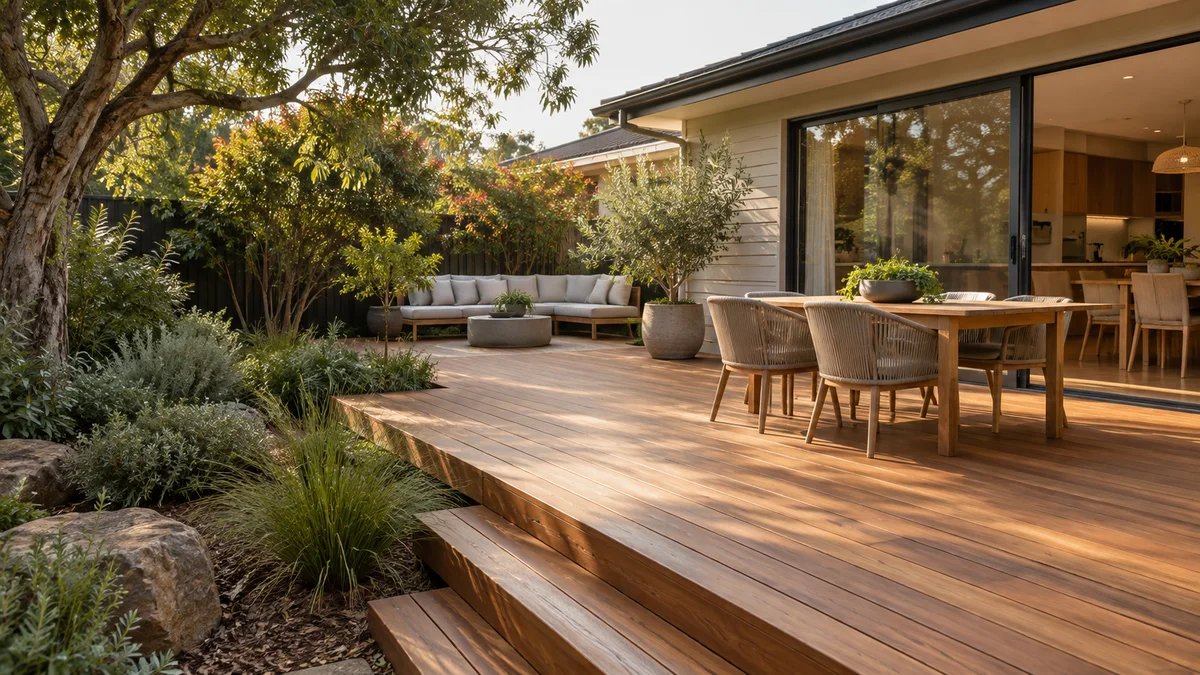
Where the patio sits relative to the sun decides when you will actually use it. A space that is lovely on a winter afternoon can be unbearable in a summer heatwave, and the reverse.
Watch the site at the times you are most likely to be outside, in both summer and winter if you can. Note where shadows from the house, trees and fences fall, and where the afternoon sun hits hardest. Prevailing winds matter too, especially for dining and cooking areas.
Shade can come from a pergola, a shade sail, a deciduous tree or the house itself. Deciding early helps, because posts and footings may need to be coordinated with the paving, drainage and any retaining edges. A shade structure may need its own approvals depending on its type and position, so check with the council or a registered building surveyor before committing to a design.
Start planning with the details that matter.
Ask about your project ↗It may be possible with changes in level and retaining work. The scope should resolve the supporting ground and drainage before choosing the surface finish.
For this work, plan the usable space and connect the materials are useful starting points. Site access, dimensions, existing conditions, disposal and any specialist requirements also need to be reflected in the scope.
A patio rarely stands alone. The way it meets the rest of the garden often decides whether the whole space feels finished.
Planted edges soften hard surfaces and can provide shade and privacy. Leave enough soil depth and irrigation access for plants to thrive, and keep root-heavy trees back from the paving.
On a sloping site, a low retaining wall can double as informal seating around the patio. The wall still needs its own design, footing and drainage. Options include stone veneer or segmental block walls.
Where the patio sits above or below the lawn, the connecting steps should feel generous and comfortable rather than squeezed in. Planning concrete steps at the same time helps the materials and levels match.
Surface water from the patio needs a planned path to a drain or garden area, away from the house and neighbouring properties. If new below-ground stormwater drainage is involved, that work must be carried out by a licensed plumber.
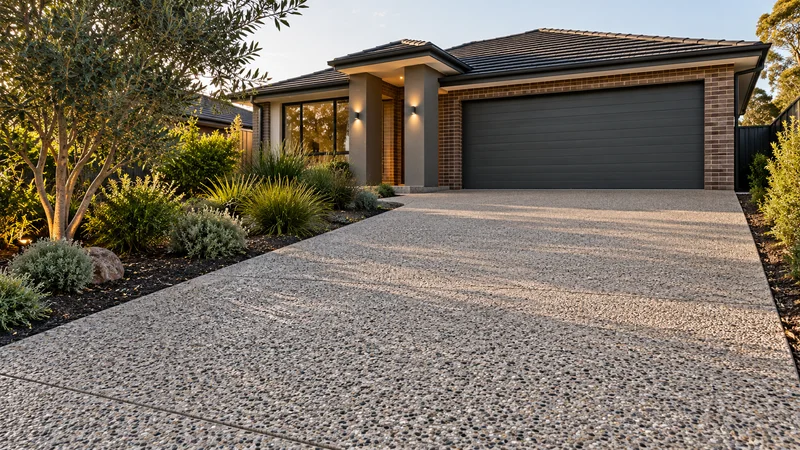
Plan a driveway around vehicle use, property levels and the desired finish, with base preparation, drainage and access during construction considered together.
Learn more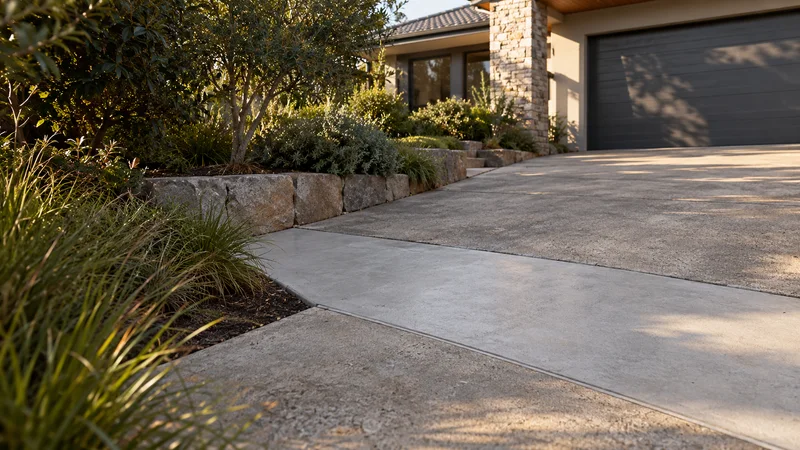
Assess cracks, surface wear and uneven sections before choosing a repair, comparing local treatment with replacement where the underlying problem demands it.
Learn more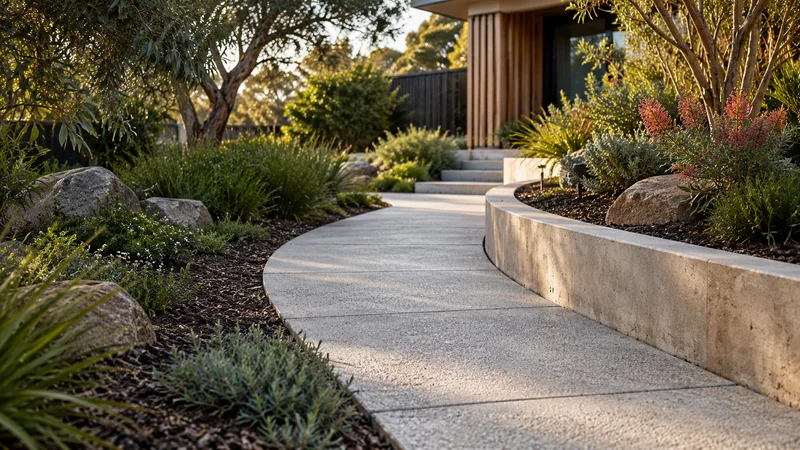
Paths & paving in Melbourne: connect garden terraces with suitable materials, levels, drainage, base preparation and maintainable finishes.
Learn moreShare your ideas, your site and what you want to achieve.