
Read the damage
Crack patterns, settlement and surface deterioration provide different clues. Photos help with an initial conversation, but an inspection may be needed to define the work.
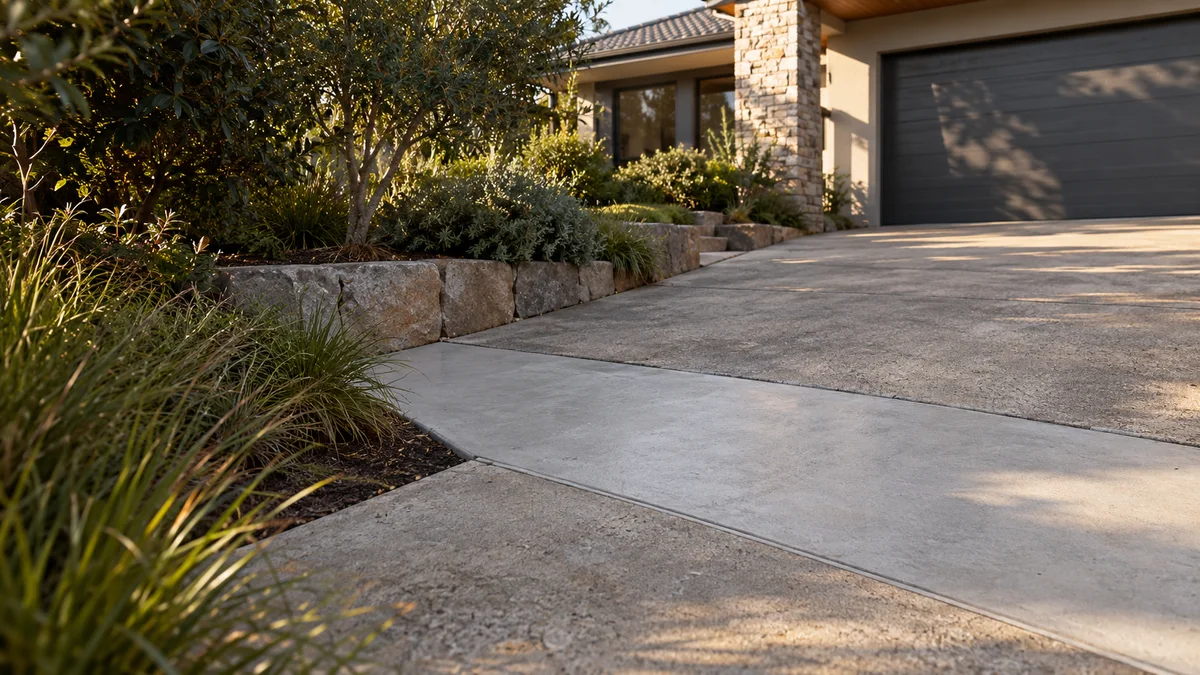
Assess cracks, surface wear and uneven sections before choosing a repair, comparing local treatment with replacement where the underlying problem demands it.
Melbourne Concrete Driveway Repair projects benefit from a clear understanding of the site, the intended finish and how the work connects with the rest of the property.
A driveway repair should respond to the reason for the damage. Cosmetic treatment and correction of movement are different scopes, and the finished appearance may vary from the existing concrete.
Preparation, drainage falls, edge details, material finishes and the way new work meets existing surfaces all influence the result. Consider access during construction as well as cleaning and ongoing care after completion. For this service, read the damage and compare the options are useful matters to discuss when preparing the scope.
Share your property address, approximate dimensions and photos of the work area. Include the route from the street, any nearby structures and what you want the finished space to achieve.
Explore the details ↓Different kinds of damage point to different causes. Before asking for a repair, walk the driveway and note which of these you can see. Photos taken from a low angle and after rain are especially useful.
This list helps describe what you see. It does not diagnose the cause, which may need an inspection.
A clear brief connects the material, the site and the final result.
Crack patterns, settlement and surface deterioration provide different clues. Photos help with an initial conversation, but an inspection may be needed to define the work.
Local repair can be useful for some defects. Where base issues or widespread deterioration are present, partial or full replacement may be worth discussing.
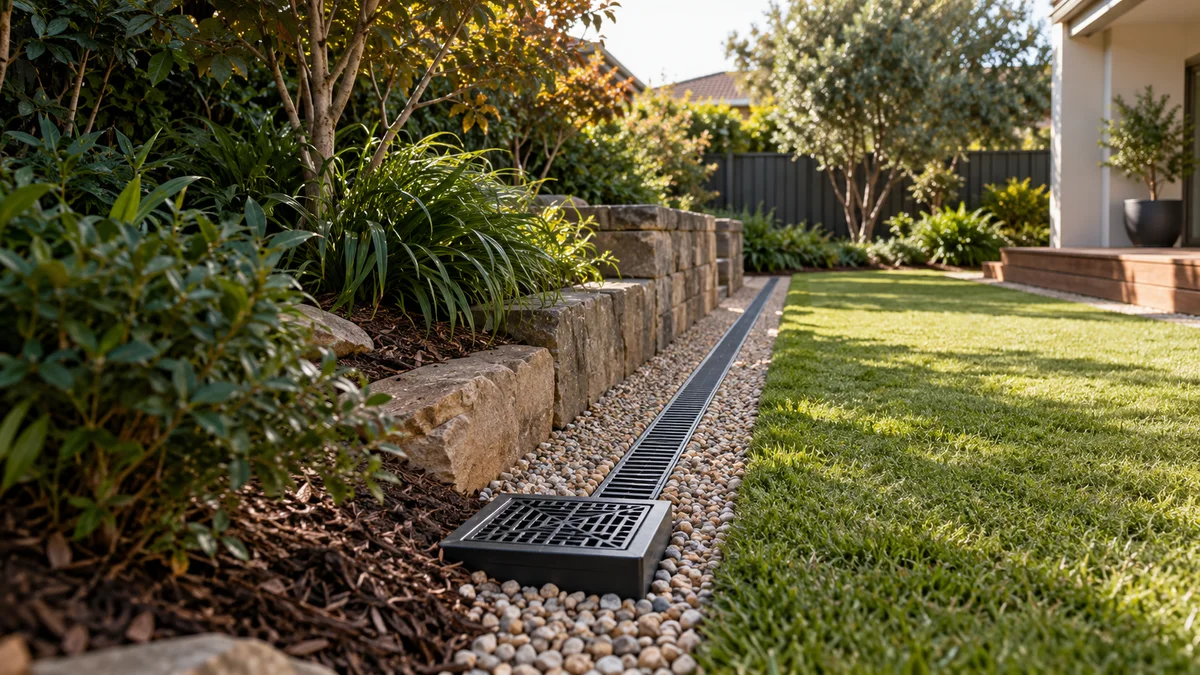
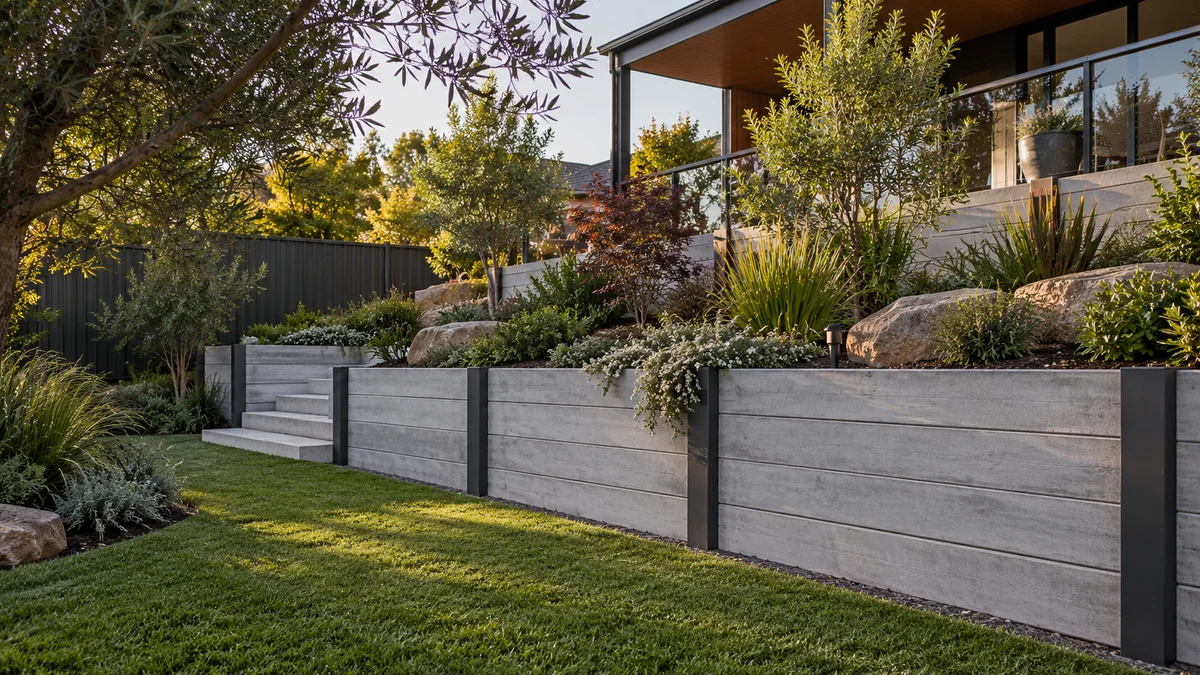
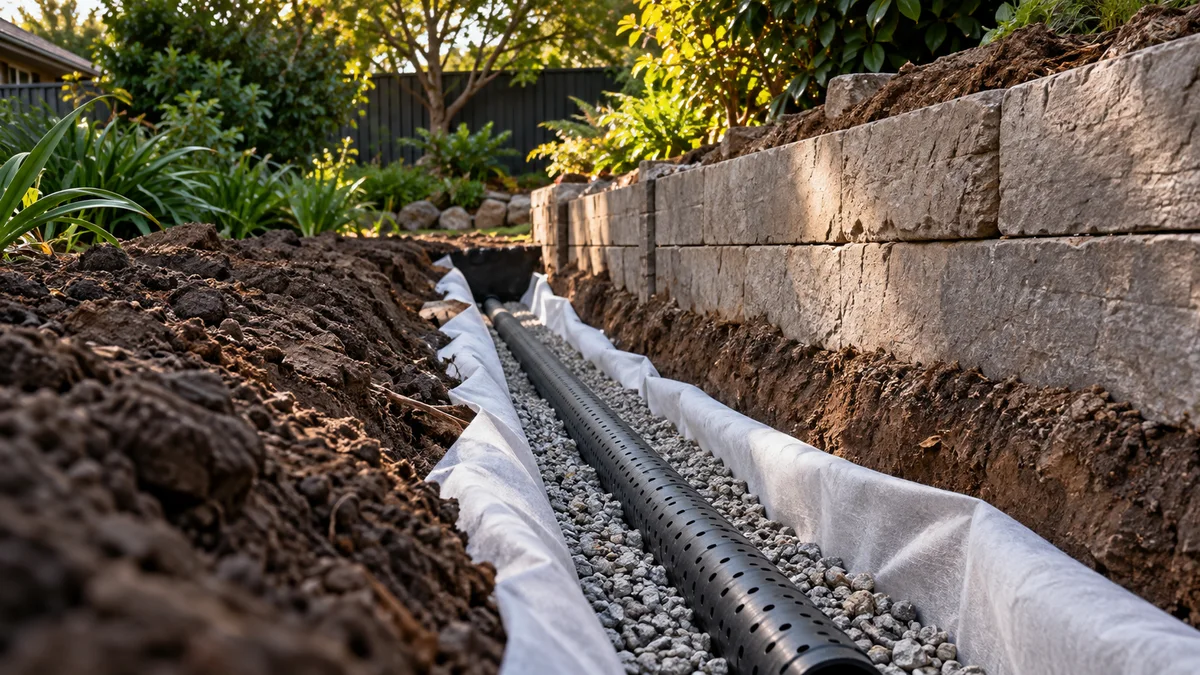
Supporting landscape and groundwork illustrations show connected project considerations, not completed work by Melbourne Retaining Walls.
Being clear about the limits of a repair helps you compare quotes fairly and avoid paying twice.
Stable, non-moving cracks, small areas of surface wear and damaged edges can sometimes be filled, patched or resurfaced. The aim is to seal the surface and improve its appearance where the slab and base underneath are still sound.
If a section keeps moving, has sunk or has broken into loose pieces, the problem is usually below the surface. Cutting out and replacing the affected bays, with the base corrected, may be more durable than repeated patching. Removal is covered on the concrete removal page.
Coatings and overlays change how a driveway looks, not how it is supported. They will not stop settlement, correct poor falls or fix water getting under the slab, and cracks below may reappear through the new surface.
Downpipes discharging onto the driveway, blocked drains or a leaking pipe can undermine the base. Those causes need attention too, or the repaired area may fail in the same way.
Every property has different constraints. Use these steps to prepare a useful discussion about concrete driveway repair.
Send the address, measurements and access photos, plus any existing drawings or reports.
Discuss the options above, any design input, drainage connections and the responsibilities for approvals.
Check preparation, materials, installation, disposal and reinstatement. Agree exclusions and timing before work is scheduled.
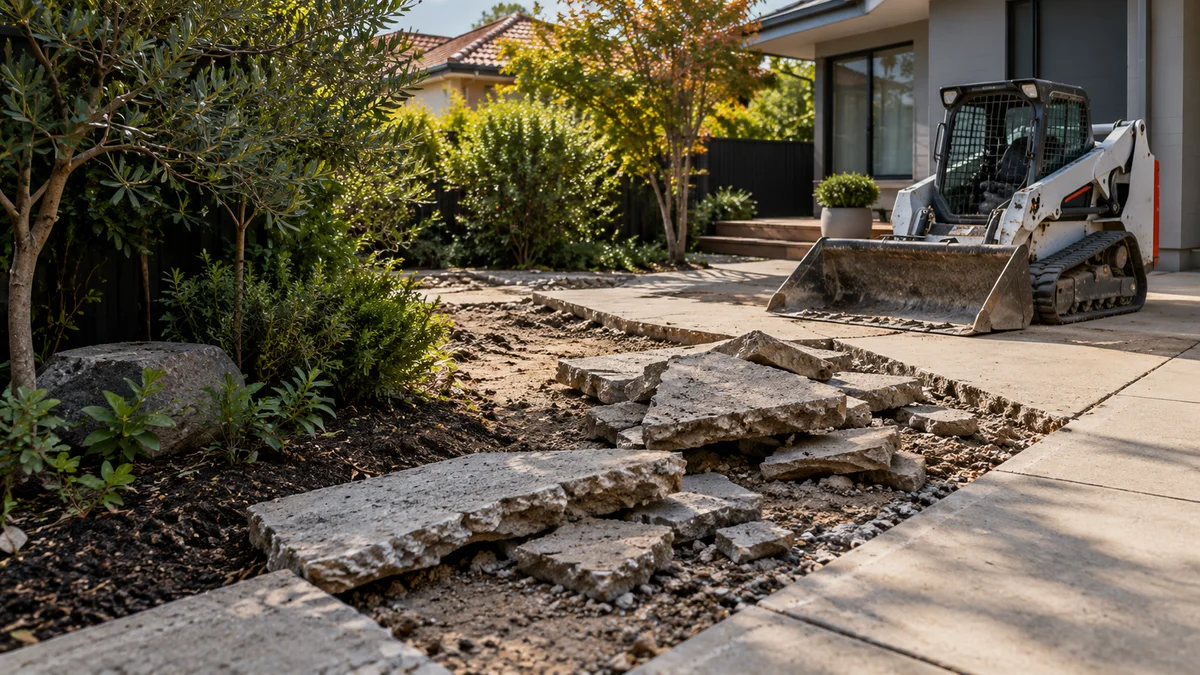
Roots are a common reason for raised panels and cracks that return after repair. The concrete is only half of the problem, so the tree needs to be part of the plan.
Cutting roots to lay new concrete can harm or destabilise a tree, and the tree may belong to a neighbour or the council. An arborist can advise whether roots can be pruned, bridged or diverted, or whether the driveway layout should change instead.
Some properties are covered by planning overlays that protect vegetation. A free Planning Property Report from VicPlan shows the zones and overlays that apply, and an overlay can mean a planning permit is needed before a tree is removed or significantly pruned.
Start planning with the details that matter.
Ask about your project ↗An exact match cannot be assumed. Age, aggregate, colour and weathering can make repaired areas visible even when the repair is appropriate.
For this work, read the damage and compare the options are useful starting points. Site access, dimensions, existing conditions, disposal and any specialist requirements also need to be reflected in the scope.
A repaired section is poured or patched today, next to concrete that has weathered for years. Even with a careful mix selection, the two rarely look identical at first, and they may never fully blend.
Cement colour, aggregate source, the finishing technique and years of sun, tyre wear and staining all affect how concrete looks. Exposed aggregate and coloured driveways are the hardest to match, because the original stone blend or pigment may no longer be available. Plain concrete can also look noticeably lighter at first.
Before agreeing to a repair, discuss where the new edges will sit. Replacing a whole bay between existing joints usually looks more deliberate than a patch in the middle of a panel. Some owners choose to clean or reseal the whole driveway afterwards to even out the overall appearance.
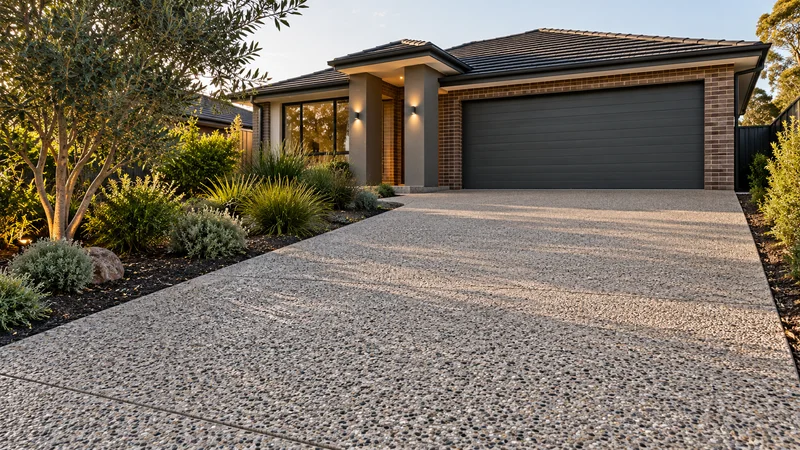
Plan a driveway around vehicle use, property levels and the desired finish, with base preparation, drainage and access during construction considered together.
Learn more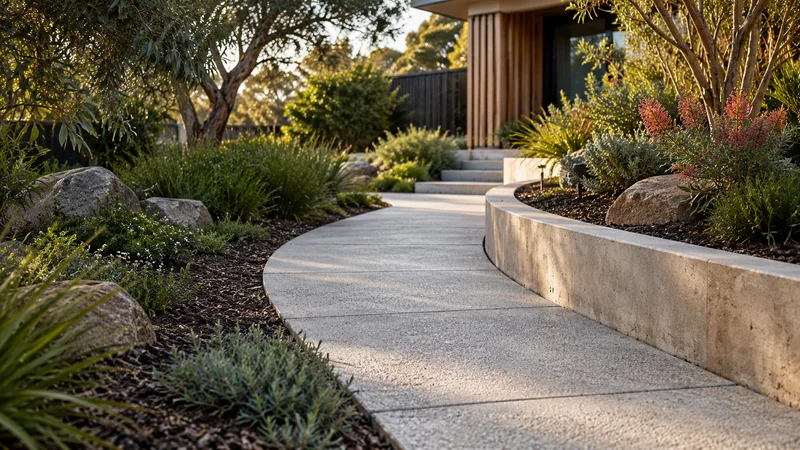
Paths & paving in Melbourne: connect garden terraces with suitable materials, levels, drainage, base preparation and maintainable finishes.
Learn more
Shape an outdoor living area with coordinated levels, paving and edges, considering furniture, shade, drainage and the connection back to the home.
Learn moreShare your ideas, your site and what you want to achieve.